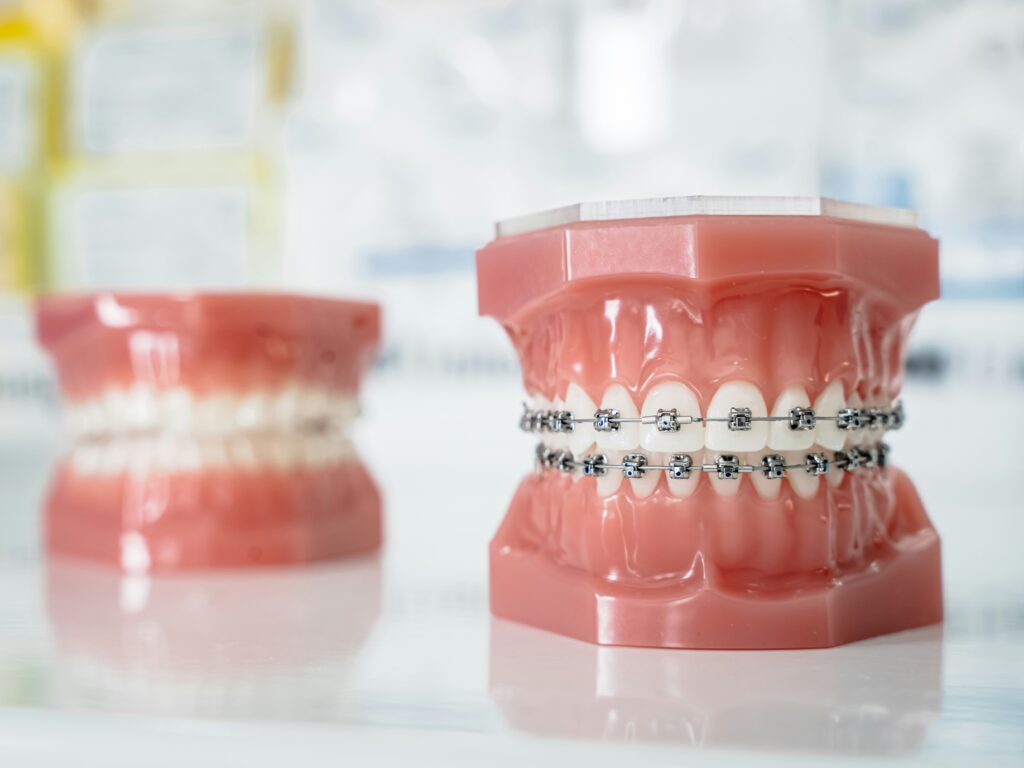
Lots of adults have crooked or misaligned teeth. Maybe you have spent years hiding your smile in photos, or you skip some foods because biting hurts.
Here is the good news. Your teeth do not have to stay this way. Braces are not just for kids. Adults get them every day. Same goes for clear aligners. You are never too old to fix your teeth.
This orthodontic treatment guide will tell you everything. You will learn about the different braces available. You will find out what causes crooked teeth in the first place. You will understand how bite issues affect your daily life. You will also get a clear picture of how long treatment takes.
What is Orthodontic Treatment?
Orthodontics is the part of dentistry that aligns teeth and corrects the bite. The treatment uses gentle, steady pressure to move teeth through the bone to a new spot. Most people think straight teeth are just about looks. They figure crooked teeth are something you live with, and it is no big deal.
But it isn’t only about looks; straight teeth are easier to brush and floss. A balanced bite spreads chewing forces more evenly. And many people simply smile more once their teeth line up.
Malocclusion and Bite Problems
Malocclusion means your upper and lower teeth don’t fit together the way they should.
An overbite means the upper front teeth cover too much of the lower ones.
An underbite means the lower teeth sit in front of the upper ones.
A crossbite means some upper teeth close inside the lower teeth.
An open bite leaves a gap between the top and bottom teeth when you close your mouth.
Crowding means the teeth don’t have enough room.
Spacing means there are gaps.
These issues affect more than your smile. They can make chewing awkward. They can make brushing and flossing harder. They can even change how you talk. If nothing is done, they can turn into bigger dental problems later on.
Causes of Crooked Teeth
Most crooked teeth have more than one cause.
Genetics. You can inherit a small jaw, misaligned teeth, or the way your bite fits.
Childhood habits. Thumb sucking that goes on past age three or four can push teeth and jaws out of place, according to the University of Minnesota.
Early or late loss of baby teeth. Baby teeth save space for adult teeth. If one tooth falls out too soon, nearby teeth can drift into the gap. If one stays too long, the adult tooth may come in crooked.
Injury. A knock to the mouth can move teeth or knock one out.
Jaw growth. If the upper and lower jaws grow at different speeds, the teeth can’t align well.
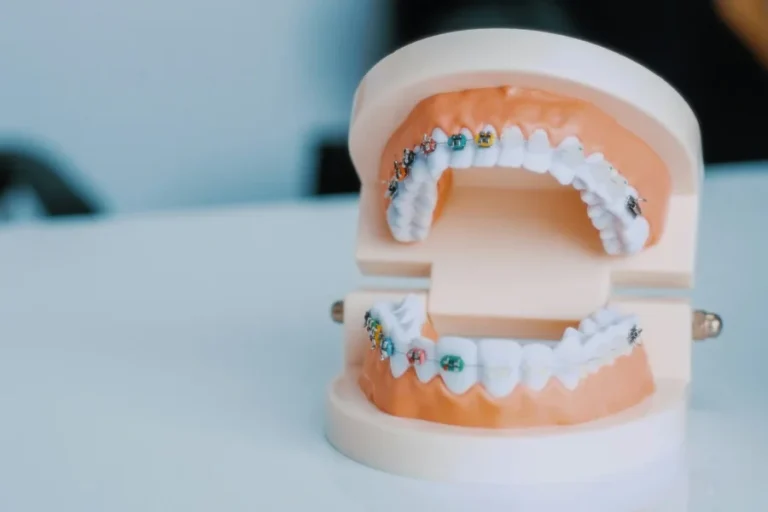
Types of Braces
| Type | How it works | Good to know |
| Metal braces | Metal brackets and wires fixed to the teeth | Often the most affordable option |
| Ceramic braces | Tooth-colored brackets that blend in | Less visible, usually cost more than metal |
| Clear aligners | Removable, custom-made clear trays | Less visible, usually the highest cost |
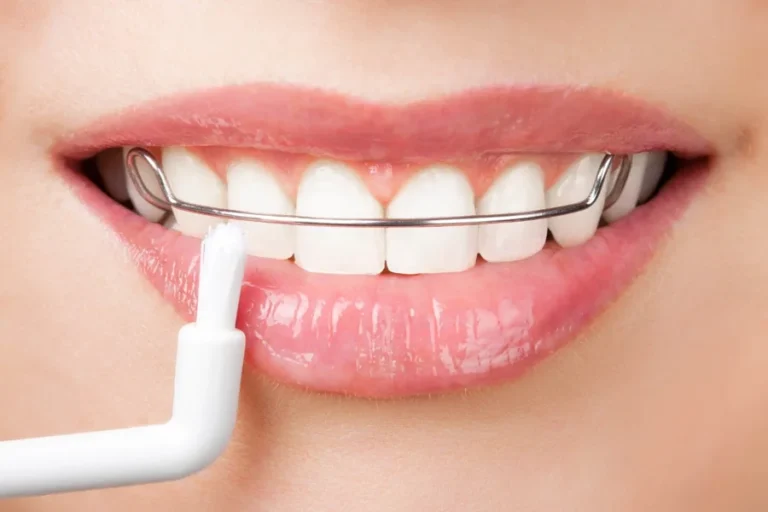
| Retainers | Hold teeth in place after treatment | Needed to protect your results |
Metal and ceramic braces stay on your teeth the whole time. Clear aligners can come out for eating and cleaning, so you have to wear them as directed. Ask your orthodontist which options suit you the best.
Orthodontic Treatment Duration
How long you wear braces depends on your bite.
Several things can change the timeline. A more complex bite takes longer, and if teeth need to be extracted first, that also adds time. How well you follow instructions matters a lot. Broken brackets, missed visits, and skipped aligner hours can all slow the treatment progress.
Then comes the retainer stage, and don’t skip it because teeth tend to drift back. Retainers are normally worn for up to a year or longer, and the longer you wear them, the straighter your teeth stay.
What Braces Feel Like
Getting braces is generally painless. After that, your teeth and jaw may feel sore for a few days as they begin to move. It usually fades as you get used to the braces.
Eating takes some care. So, avoid hard, crunchy, or sticky foods. They can bend wires or knock brackets loose.
How to Care for Your Teeth During Treatment?
Braces make cleaning harder, since food hides around the brackets. Brush after meals, clean between your teeth, and keep up with your regular dental checkups.
Orthodontics at Rahman & Rahman Dental Clinic, Lahore
If you or your child have crowded teeth, gaps, or a bite that doesn’t feel right, a short consultation can show what’s possible.
The team at Rahman & Rahman Dental Clinic offers metal braces, ceramic braces, clear aligners, retainers, early assessments for children, and digital treatment planning.
Learn more about our orthodontic treatment. Missing a tooth too? See dental implants. Want a brighter finish after braces? Read about cosmetic dentistry, or meet our dentists.
Book a consultation today, or call us. We’re available in Lahore from Monday to Saturday.
FAQs
How much do braces cost in Pakistan?
The cost of your braces will depend on your alignment type, the length of your treatment, and the complexity of your case. Metal braces tend to be the cheapest. Ceramic braces are slightly more expensive. The third option is clear aligners, which are the most expensive. You can only know the exact amount after your examination.
What is the best age for braces?
The best age is 10 to 14 years. Most baby teeth are gone. Adult teeth are coming in. The jaw is still growing. Treatment is faster and easier. But adults can get braces at any age. It is never too late to fix your teeth.
Are braces painful?
Getting braces on your teeth is not painful, but afterward you will have a dull ache because your teeth have been moved. It will be sore for a few days, and also when the dentist adjusts the wires, the discomfort can return. However, over-the-counter medicine helps.
Which foods should you avoid with braces?
If you don’t want to damage your braces, it’s best to stay away from crunchy, hard, or sticky food. Nuts, chips, and ice can break your brackets. Likewise, gum and caramel can get stuck to wires, harming your braces. Moreover, it’s advisable to refrain from chewing on popcorn kernels in order to protect your braces.
How long does orthodontic treatment take?
The duration of orthodontic treatment is between 18 to 24 months. The orthodontic treatment for mild conditions usually takes from six to twelve months, while for more complex conditions it may take up to thirty-six months. The use of the aligners has been observed to deliver the best results during the treatment of mild conditions.